Skip to content
Tumaini
  • Home
  • Areas of action
  • Network
  • Contact
ENFR

Areas of action

Field activities carried out with our partners and the communities concerned, from schoolyards in Dakar to the seabed of the bay.

Changing our relationship with nature for good starts young, and that conviction guides the awareness work we run with schools. As urban children grow more disconnected from the living world and from what deforestation means, we turn learning into something concrete, with their hands in the soil.

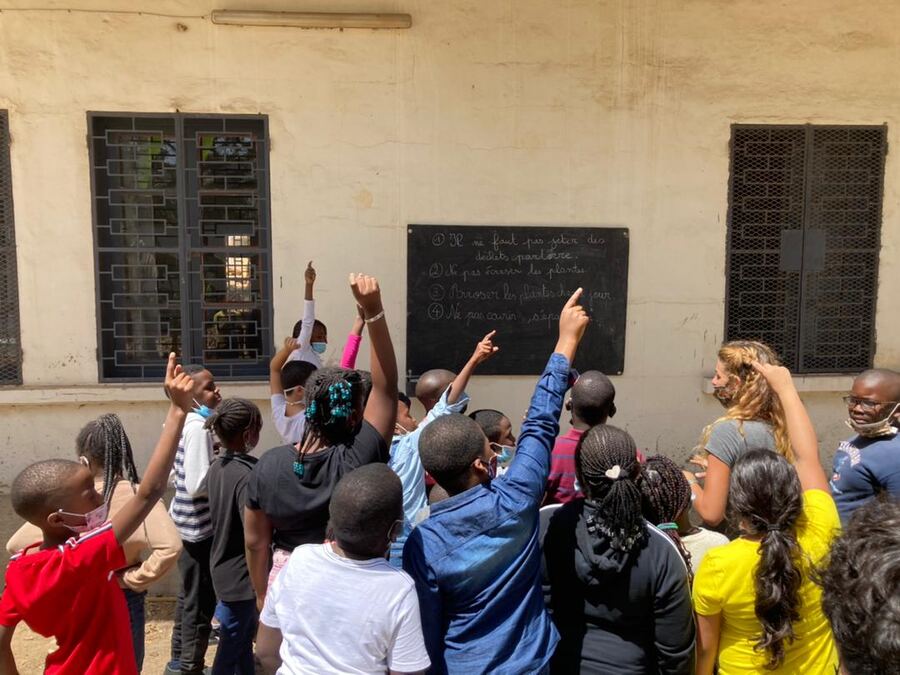
29 April 2021 Dakar — Franco-Senegalese school Dial Diop

A vegetable garden at the Dial Diop school

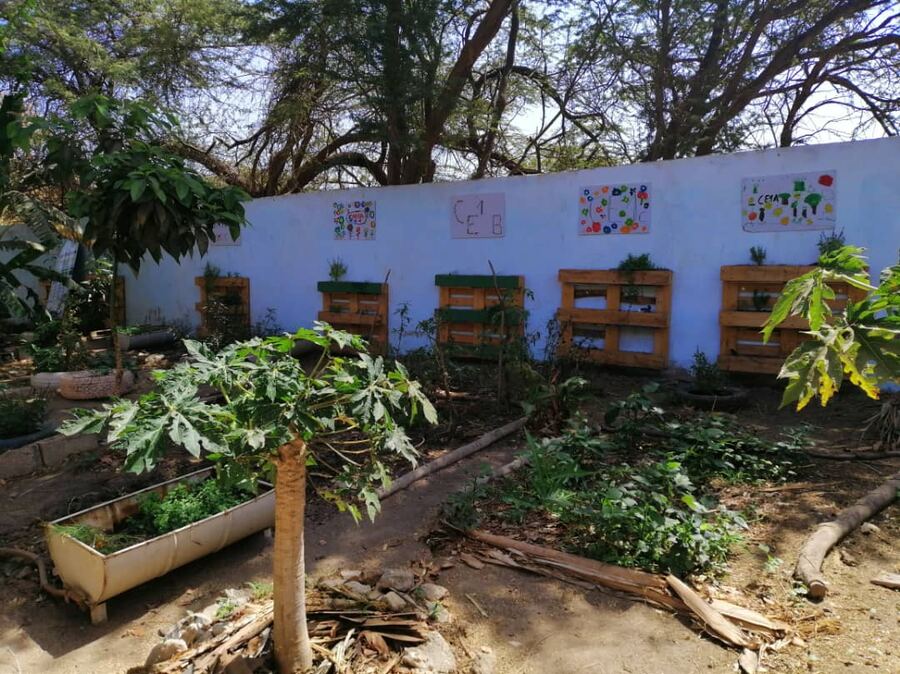
We introduced the pupils to composting and planting, building a market-garden system together with them. Composting is central to the approach: watching their canteen waste turn into fertile soil, the children grasp the idea of a cycle in tangible form, one where nothing is lost and every material finds a use again. The school garden does not end when the workshop does. It becomes a living classroom the pupils tend week after week, learning patience, regularity and the direct link between the care given to a plant and the food it eventually offers. By connecting waste, farming and food in this way, we hand the youngest the keys to an everyday ecology, rooted in simple gestures they can repeat at home and pass on around them.
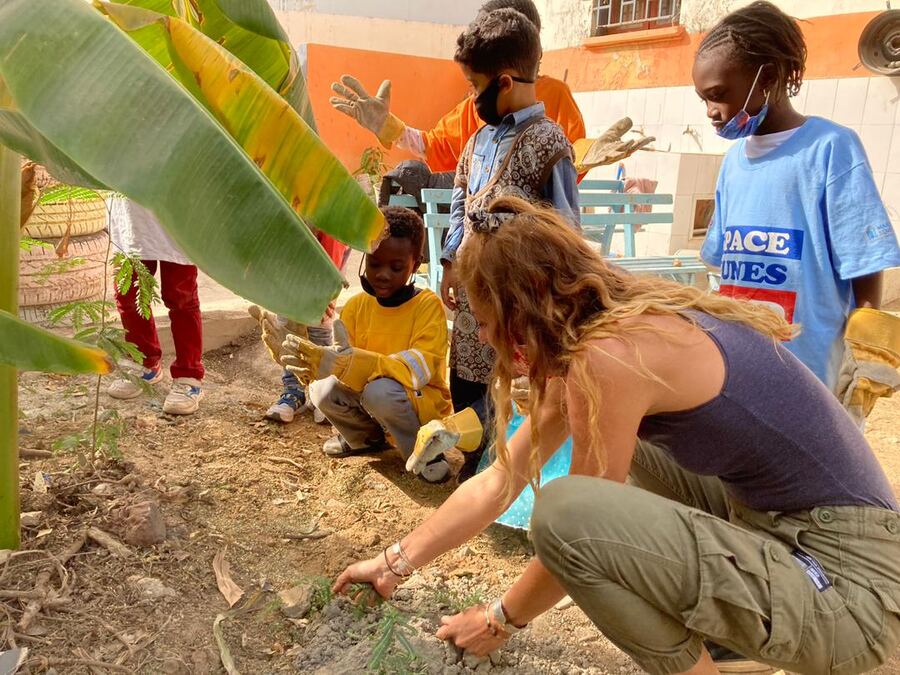
  • Pupils and a facilitator planting seedlings in the schoolyard.
  • The school garden with its planting beds against a painted wall.
  • Children raising their hands during an outdoor lesson at the blackboard.

7 September 2025 Dakar — community nursery

Botanical trail and tree sowing at a community nursery

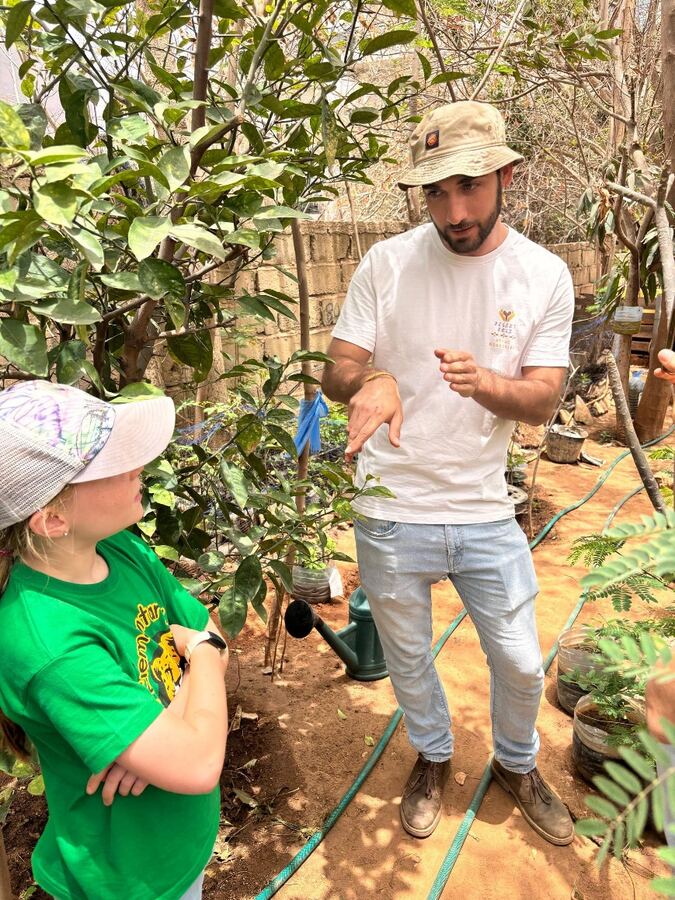
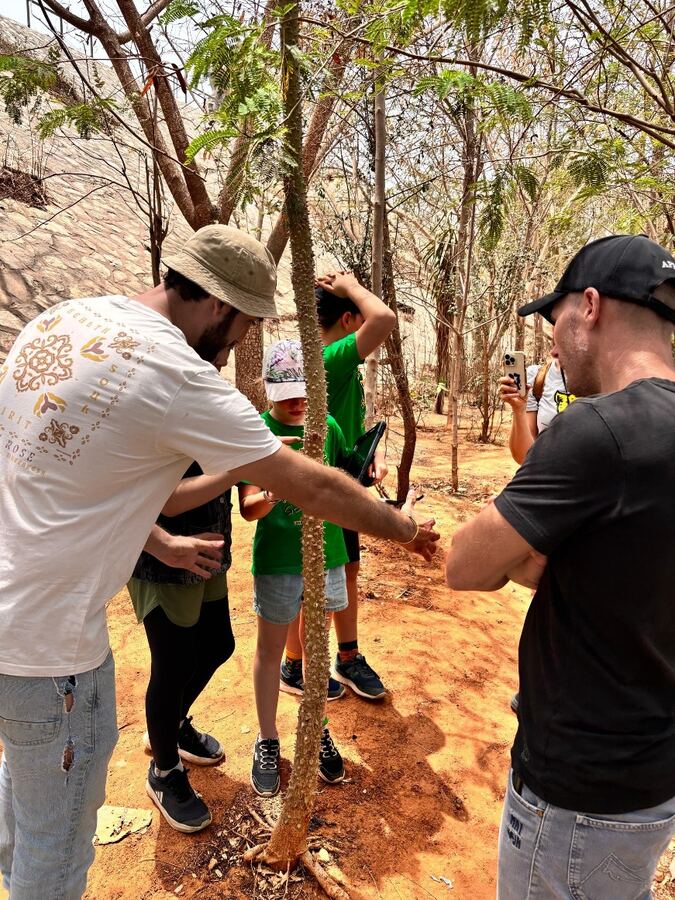
A group of children from the American school followed a botanical trail, learned to recognise the local flora and sowed forest species. As an environmental association we place education at the heart of our mission: protecting ecosystems for the long term means passing on, from the earliest age, a taste for living things and an understanding of natural balances. Every workshop is designed as a concrete experience, where the child does not simply listen but puts their hands in the soil, sows, observes and follows the cycle of a plant from seed to tree. Along the trail, discovering local species becomes a way into wider questions: the fight against deforestation, the importance of native species, the role of nurseries in restoring landscapes. These sessions, run in partnership with associations such as Oceanium and Nebeday, draw on expertise in environmental education, agroecology and nursery management. Beyond awareness alone, our ambition is to bring up a generation more conscious of its territory, and able tomorrow to act as its guardian.

With OceaniumNebeday

  • A facilitator explaining plant care to children among the nursery seedlings.
  • Children and adults planting a young tree in red earth.

Some species, discreet and little known, are the fragile sentinels of the health of our ecosystems, and their disappearance often signals a wider imbalance. Our work aims to know them better in order to protect them better.

December 2021 Casamance delta

Tracking the African clawless otter

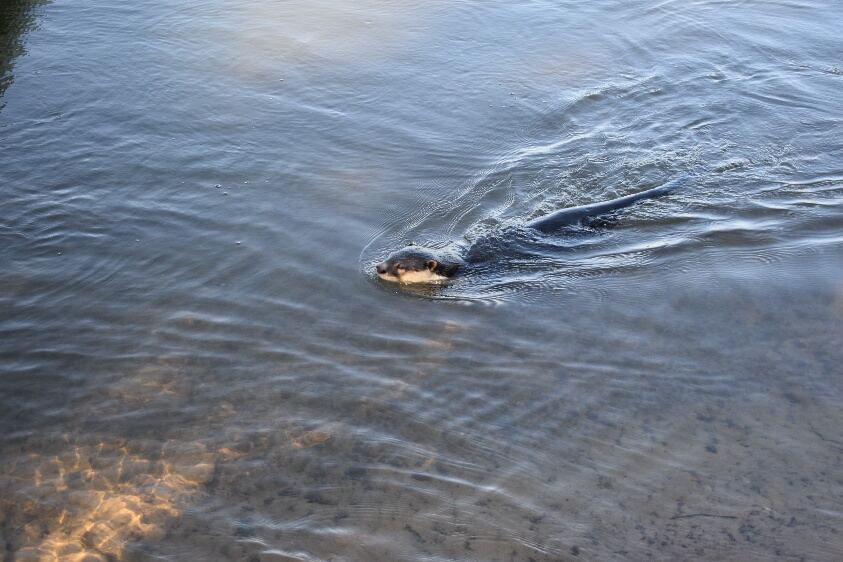
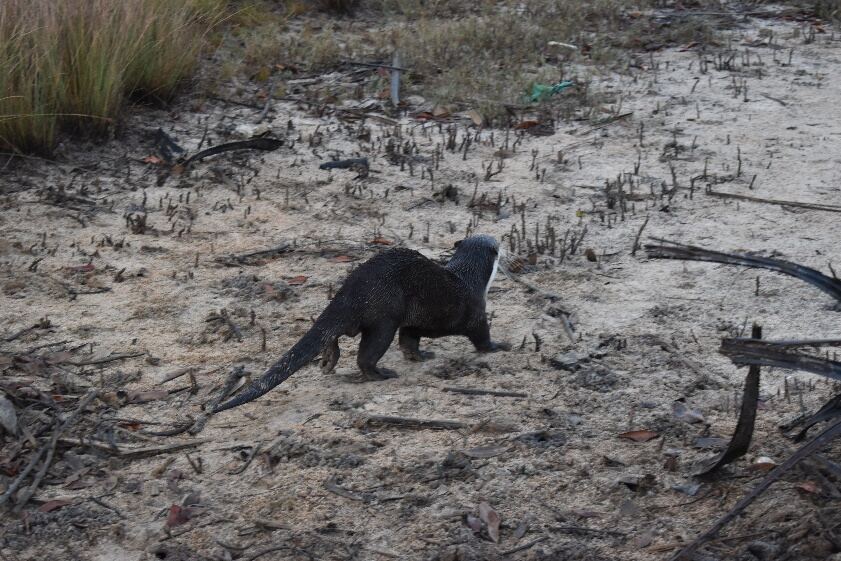
We carried out a mission to identify and track the African clawless otter (Aonyx capensis), a species classed as vulnerable in Senegal. Active mainly at dawn and dusk, this otter leaves few traces, which makes every observation valuable for documenting its presence. After several days of surveying along the bolongs and the banks, a single male was observed, on 27 December 2021. A rare sighting, which confirms how fragile this population is and how urgently it needs better monitoring. This kind of mission rests on reading the ground closely, recognising signs of presence such as prints and slides, and knowing the wetlands the species frequents.

  • An African clawless otter swimming, leaving a wake on the water.
  • An otter crossing a sandy bank scattered with mangrove roots.

Ongoing programme Guéréo — Petite Côte

Sea turtle conservation at Guéréo

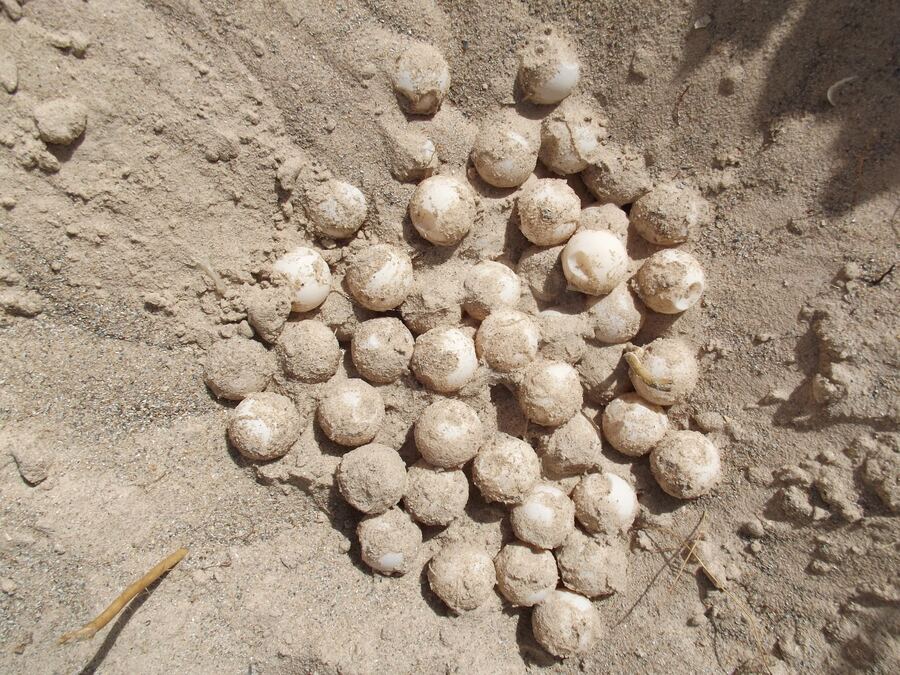
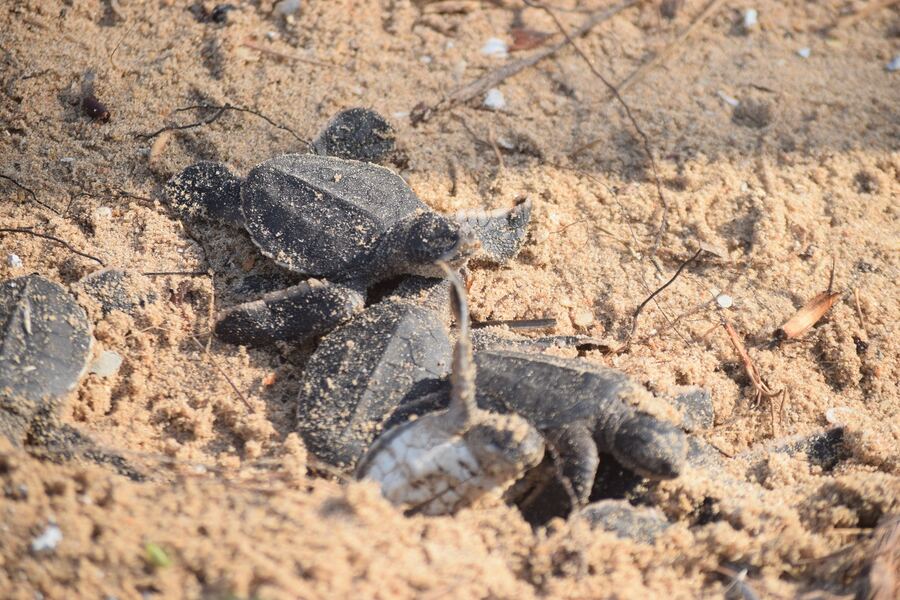
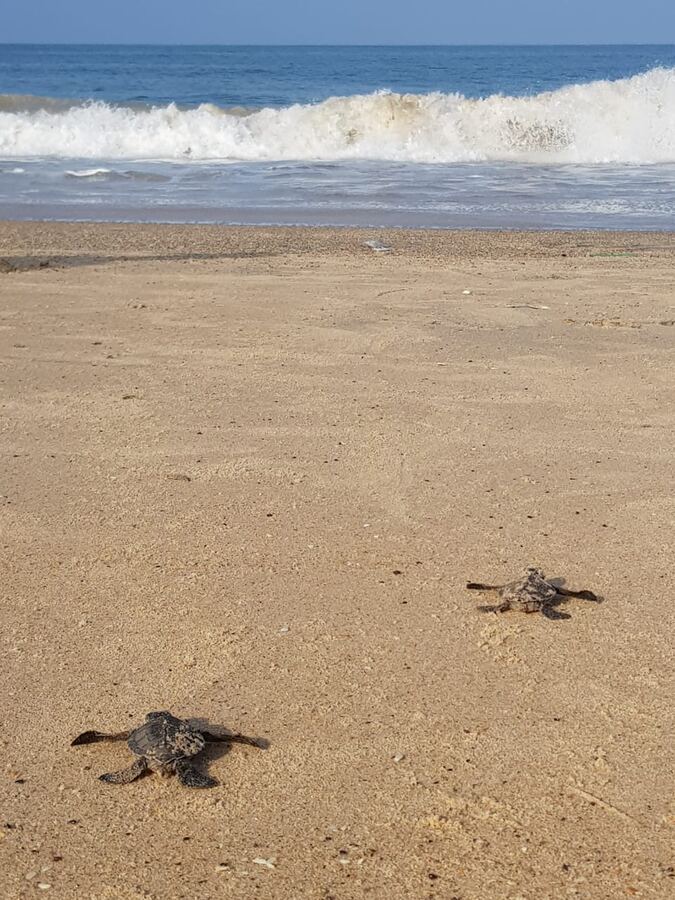
We support a sea turtle conservation programme led by a community initiative. Two local rangers, trained and rooted in their village, raise awareness among fishers and schools about protecting these emblematic species and carry out rigorous scientific monitoring: protecting nests, identifying species, assisting hatching and filling in the monitoring records. By entrusting this work to members of the community, the programme turns former users of the resource into guardians of the coast, and sets conservation in the long term rather than in a one-off action. It is this joining of scientific knowledge and local commitment that gives a protection effort, to our minds, both its strength and its staying power.

  • A clutch of sea turtle eggs uncovered in the sand.
  • Hatchlings emerging from the nest.
  • Two hatchlings crossing the beach towards the surf.
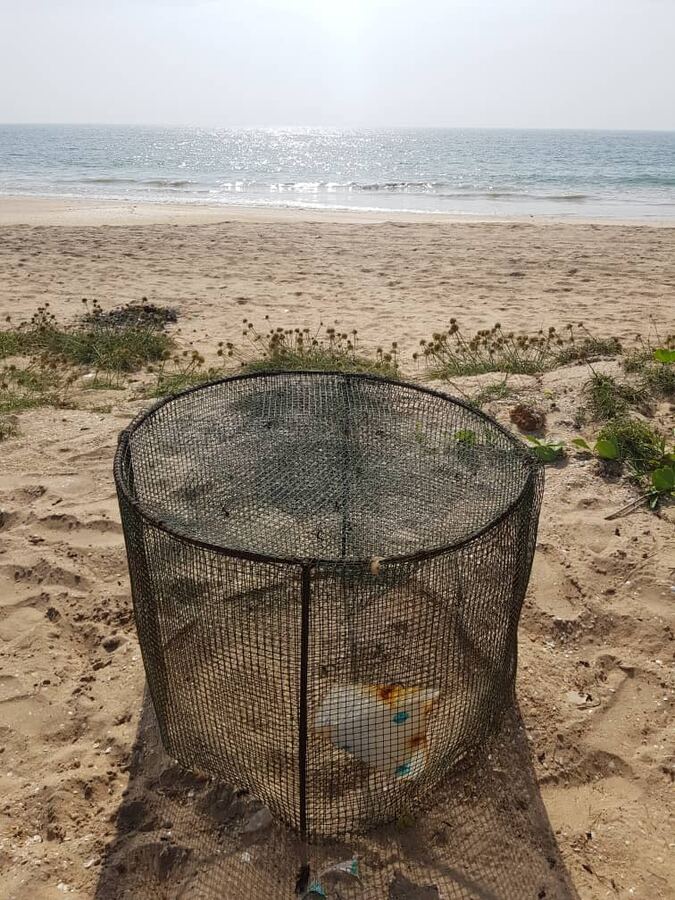
  • A mesh cage protecting a nest on the beach.
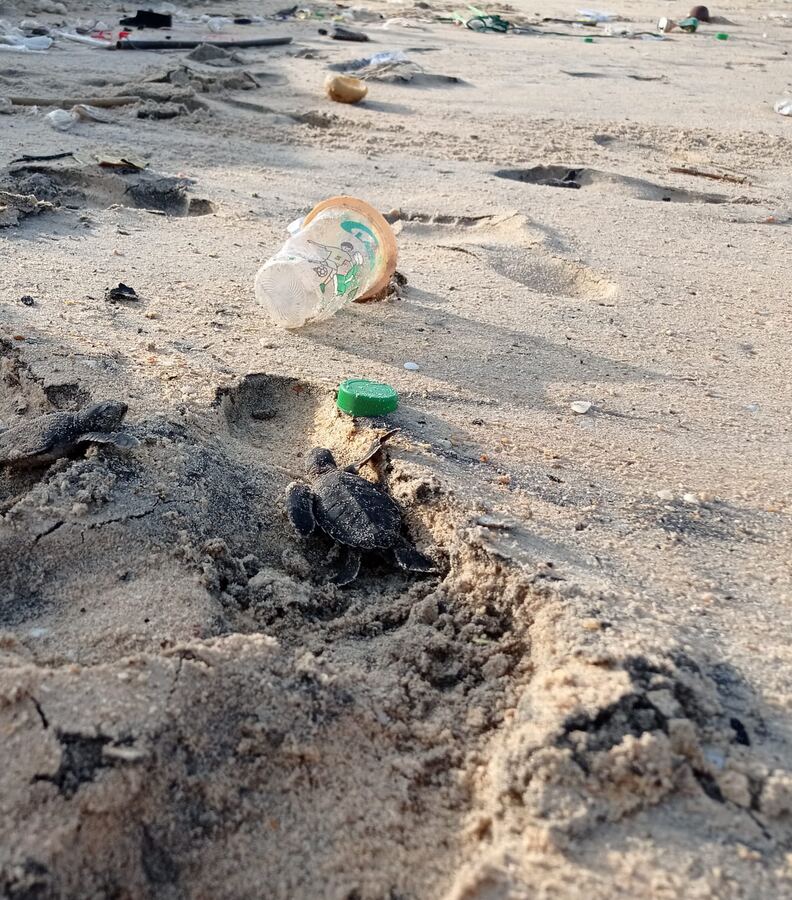
  • Hatchlings making their way out of the nest among plastic litter washed up on the beach.

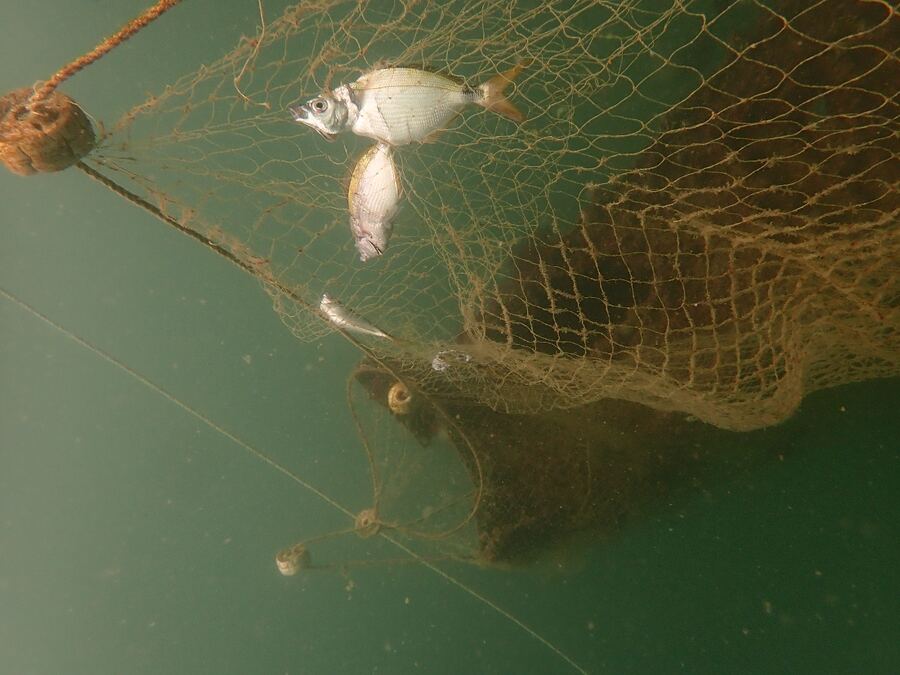
Invisible from the surface, abandoned ghost nets go on fishing for decades, endlessly trapping and killing fish, turtles and marine mammals. Removing them from the seabed is technical, demanding and at times dangerous work.

11 June 2023 Bay of Dakar

Ghost net recovery campaign

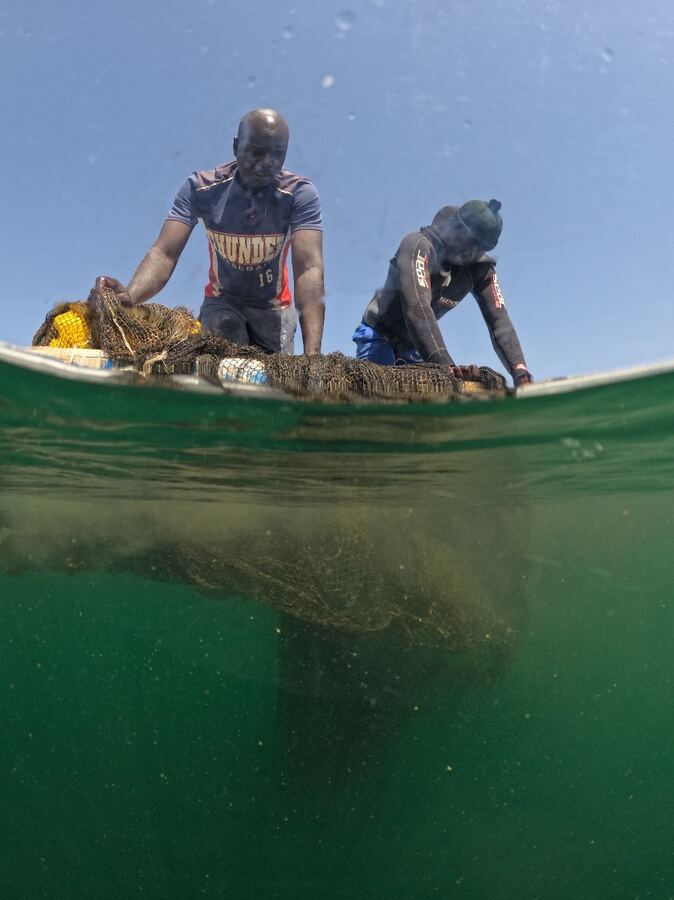
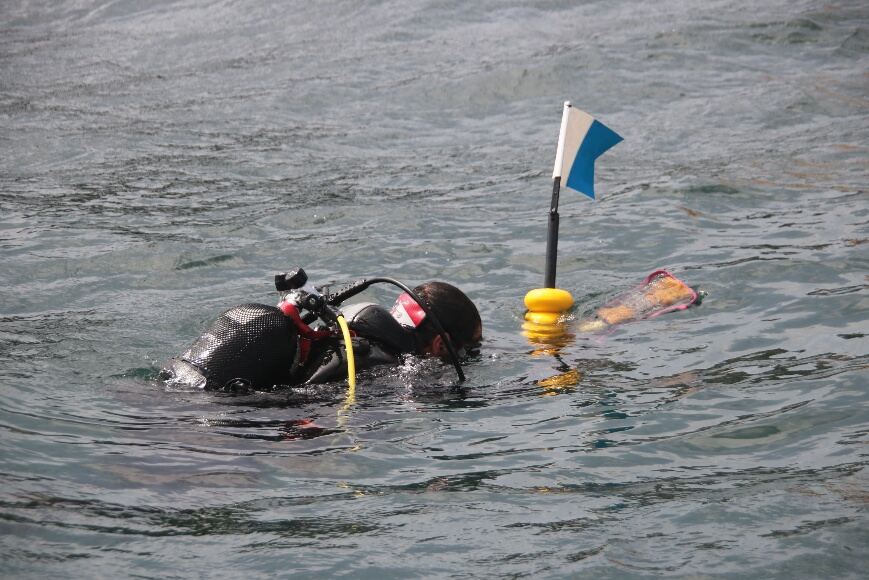
Our ghost net campaign brought up more than 2,000 kg of nets and waste, giving back life to rocky areas and wrecks that had been smothered. Run with Oceanium, the Konrad Adenauer Foundation and the local authority of Gorée island, the operation draws on expertise in diving, logistics for work at sea, and sorting and recovering the waste brought back. To carry the action underwater across to those who stayed on land, we also offered an immersive virtual reality experience: wearing VR headsets, volunteers and visitors could dive virtually into the seabed and see for themselves the scale of the pollution smothering it. The youngest, too small to dive, took part through interactive games about collecting waste in the ocean, turning awareness into something playful and memorable. Beyond the clean-up itself, each campaign becomes a real lever for awareness, showing the public in every form the reality of the pollution lying beneath our waters.

With OceaniumKonrad-Adenauer-StiftungÎle de Gorée

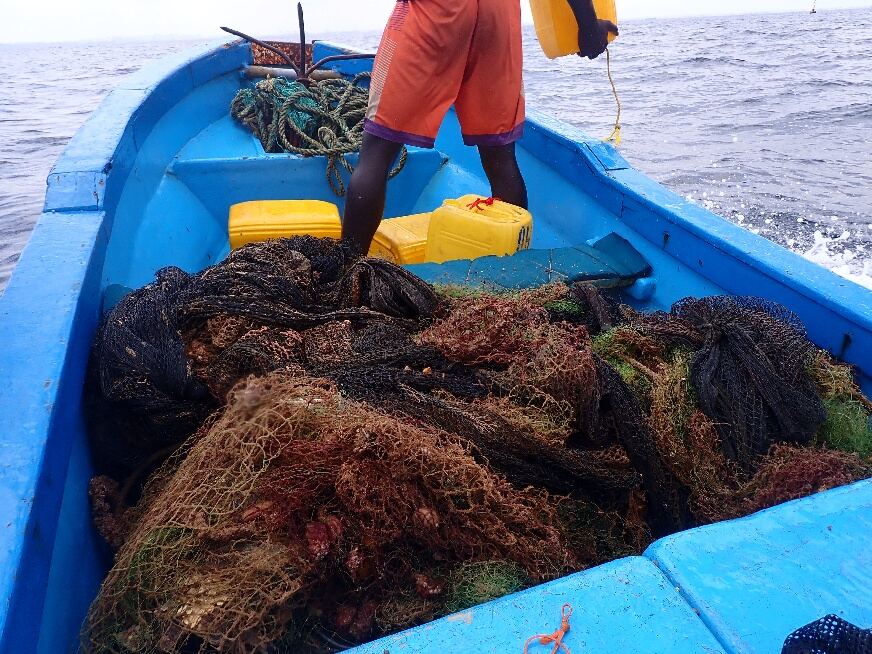
  • A pirogue loaded with nets recovered from the seabed.
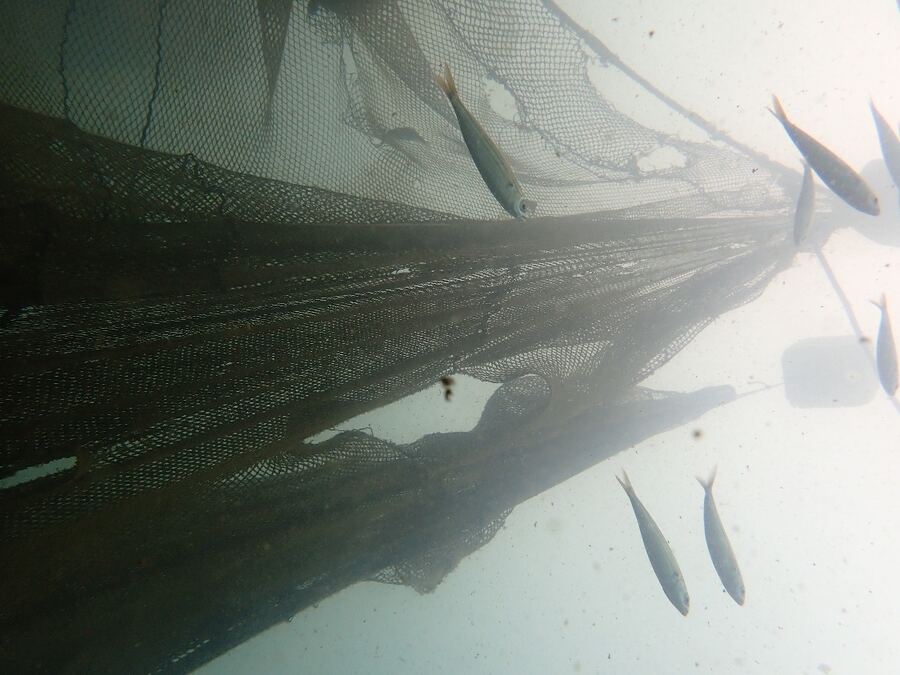
  • A ghost net still standing in the water column, with fish swimming alongside.
  • A fish caught in the mesh of an abandoned net.
  • Divers hauling a net over the side of the boat, seen from underwater.
  • A diver at the surface next to a marker buoy.

In many situations, local communities overexploit natural resources because they have no other way to survive. Without the right support, protecting the environment from this unsustainable use would mean depriving them of their meagre resources. Giving them schools or health posts in exchange is not enough, because it provides neither food nor alternative income. Even the income they can hope to earn from the ecotourism that will develop can very rarely make up for the food and income they lose from the activities, meagre as they were, that they carried on until now.

For both environmental and social reasons, it is essential to help them identify and then develop new, sustainable economic activities that not only effectively replace their former practices but also allow them to develop further. It is, however, a real challenge.

Laos — national park

High-quality basketry in Laos

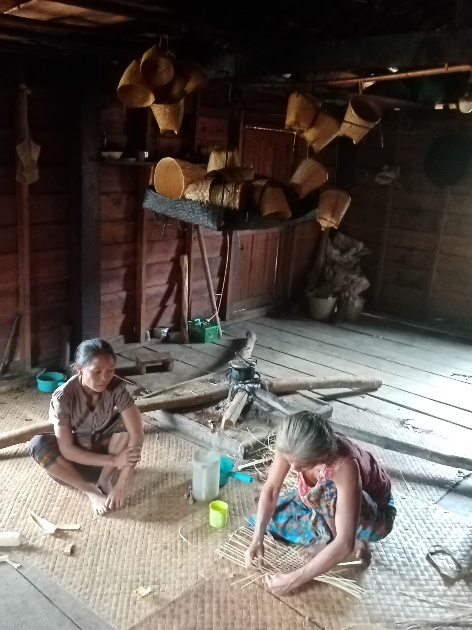
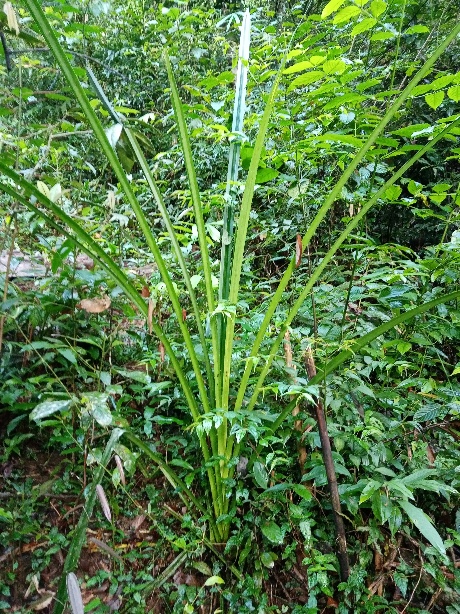
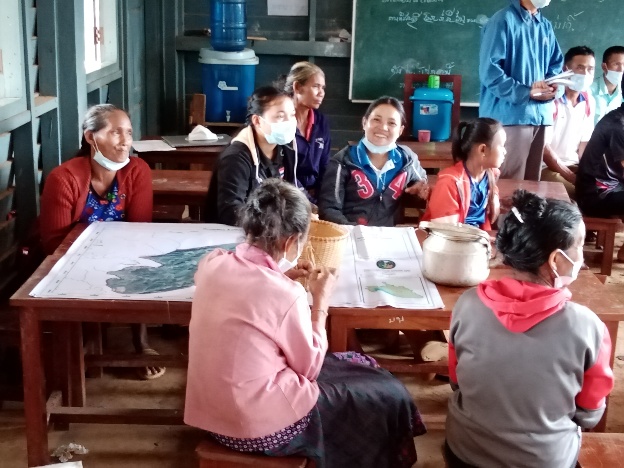
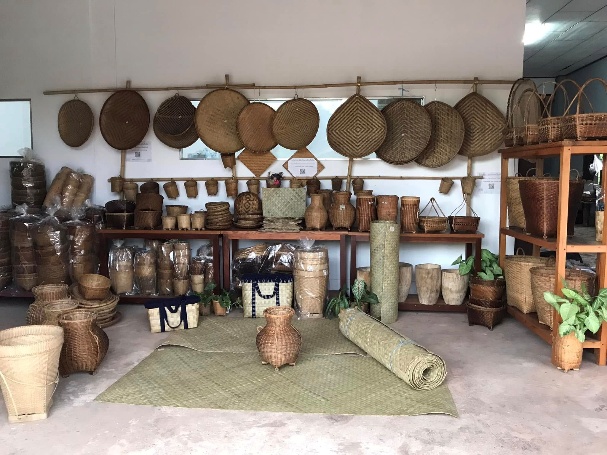
The communities living in a national park in Laos saw their hunting and gathering of forest products, which had kept them alive, sharply reduced to preserve the park’s biodiversity. They were then supported, in particular through innovative participatory workshops (see the « Methods and tools » axis), first to become more aware of the value of their knowledge and experience, especially about the forest’s biodiversity. A promising sector was gradually identified: high-quality basketry, made possible by their detailed knowledge of the different varieties of bamboo and pandanus to combine. The villagers were helped to organise themselves step by step, so as to produce and sell enough to replace their former forest activities.

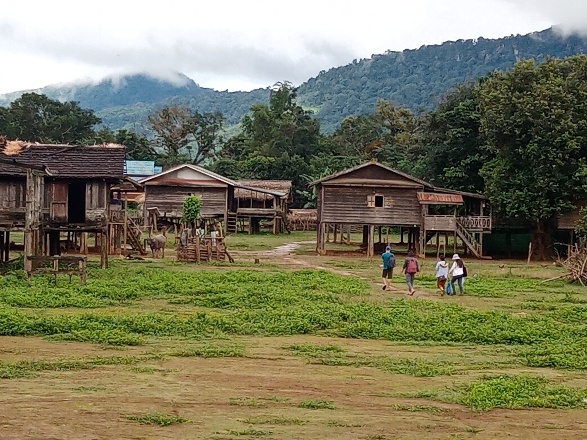
These new activities now bring them much higher incomes: a family’s monthly income today equals the cost of building one of their homes (see the building in the photo). The villagers have organised themselves into action groups, some running the workshop and sales at fairs, others handling production, and others again the sustainable management of the natural resources used.

Thaphaiban on Facebook
  • Wooden stilt houses in the village, with forested hills behind.
  • The team at work: two women weaving on the floor of a workshop.
  • A pandanus plant, one of the species used for the basketry.
  • Villagers gathered around a large map during a participatory workshop.
  • Baskets, trays and mats displayed in the shop.

Giving these young people rewarding life projects, more rewarding than the mirage of irregular emigration. This really is about life projects, not just finding a job, getting qualified training or a loan to start a business. All of that support is essential but not always enough: what the call of irregular emigration holds out is a whole life project, of social success and of respect from one’s peers and family. A social, economic and even psychological success that a local job alone will often not satisfy.

This professional integration has to fit into a life project rewarding enough in the eyes of the young person, those around them and society. The young person builds this project themselves, according to their wishes, their own assessment of their skills and what they aspire to be, in a rewarding way, within their community and society. The support therefore combines professional integration, individual guidance and collective work with those around them, so that the individual project is backed by the group, and so that the young person invests as much in building their working and personal life at home as they can, or could, in the dangerous adventure of irregular emigration.

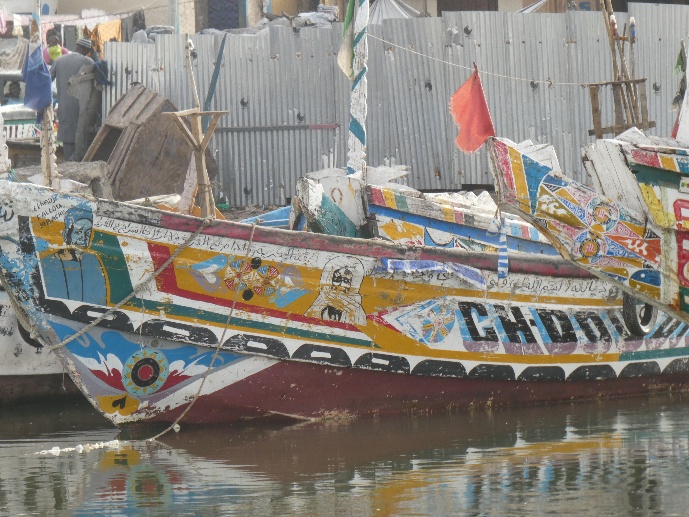
  • A brightly painted pirogue moored in a harbour.
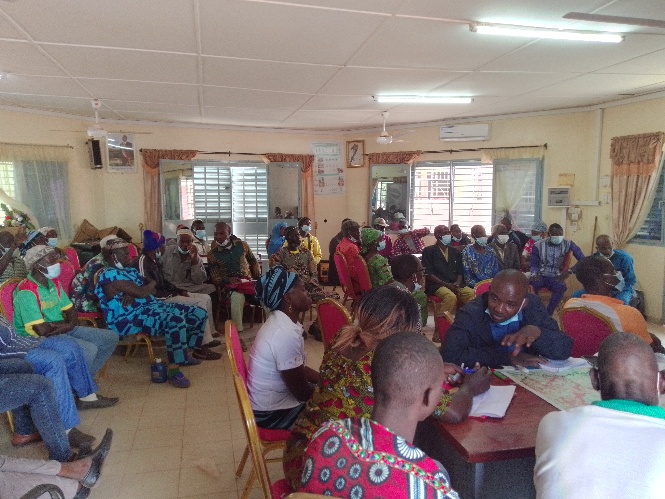
  • A group meeting in a hall, participants seated around tables.

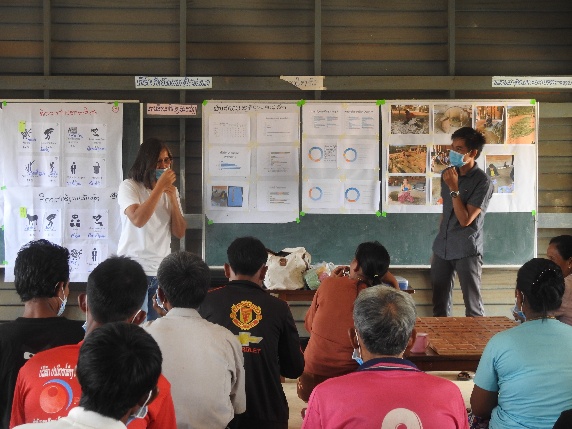
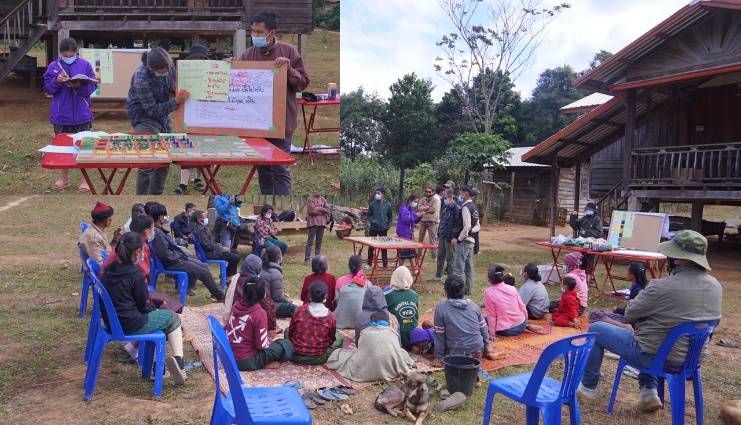
Helping communities recognise knowledge and experience so familiar to them that they often no longer feel its value, and letting them imagine new ways of organising and new practices that suit them while adapting to new issues and new constraints: this is a challenge for the facilitation tools and methods used. Members of the Tumaini network have built up highly innovative experience on these questions, including original methods such as serious simulation games and participatory geographic information systems.

  • A facilitator presents illustrated charts pinned to a board to a seated group.
  • An outdoor village workshop: facilitators present a game board while villagers sit on mats and chairs.
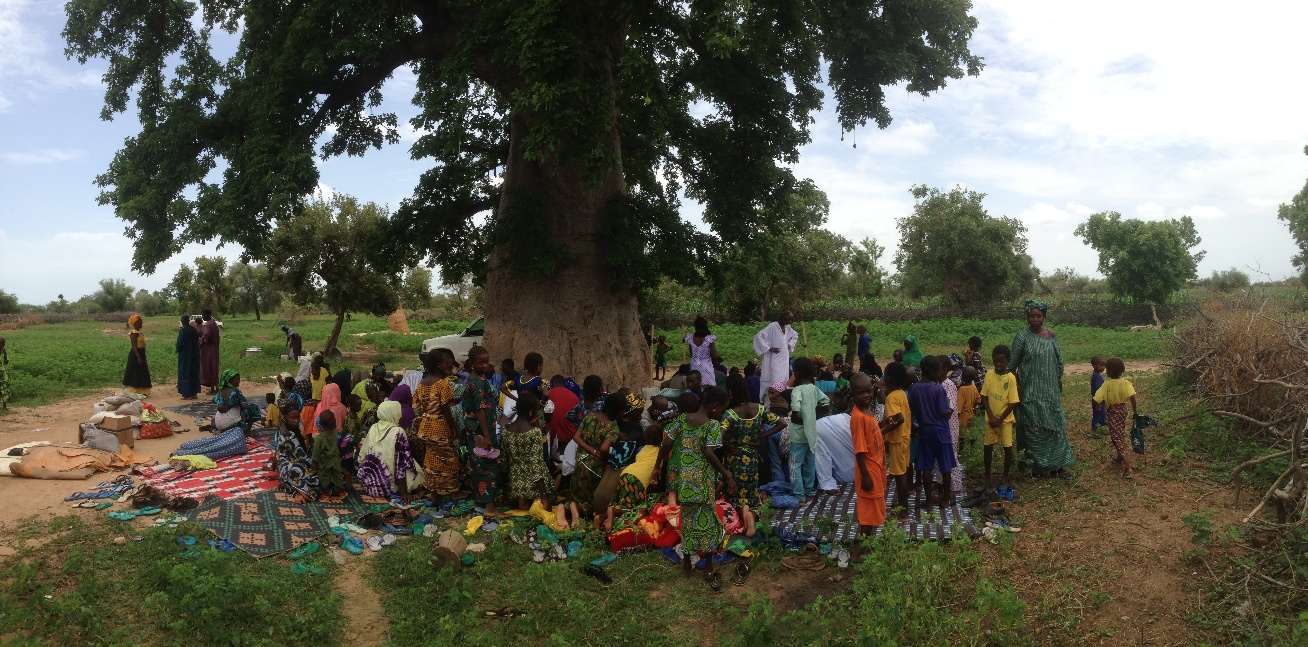
  • A large group seated on mats under a big tree for a village meeting.